
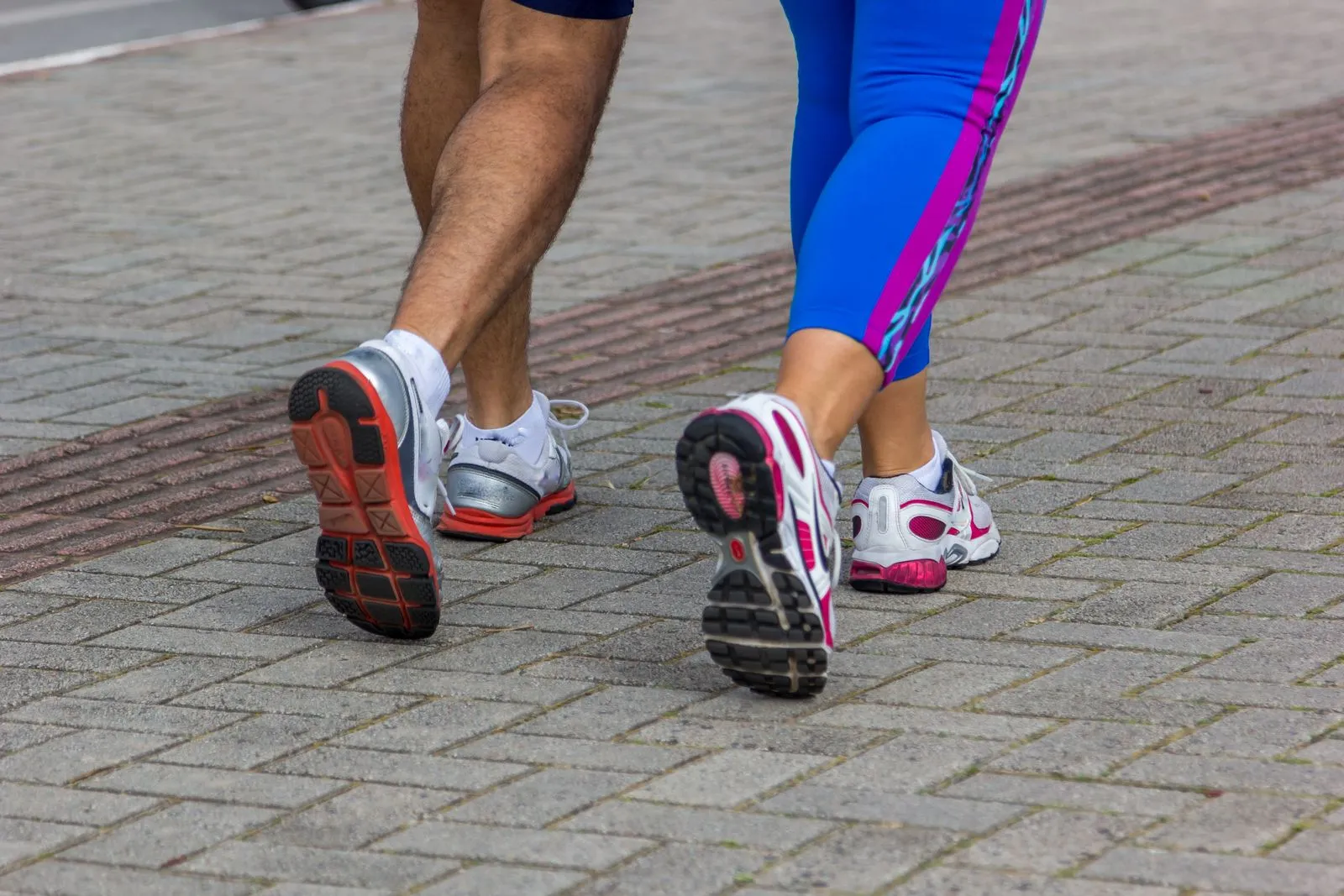
A good pair of running shoes should feel comfortable from the start and leave room for a child’s feet to move. Because children grow at different rates, the size that fit well a few months ago may no longer work. Check fit regularly rather than relying only on the number printed inside the shoe. A simple try-on routine can help you spot pressure, slipping, or a tight fit before those problems interrupt running and play.
Check Fit While Standing
Have your child try shoes on while wearing the socks they normally use for running. Check both feet while your child is standing, since feet can spread under body weight and one foot may be longer than the other. Choose a fit that accommodates the larger foot. The toes should have some room to move, without being squeezed against the front of the shoe.
Ask your child to wiggle their toes and walk or jog a few steps. The heel should feel secure rather than slipping noticeably, and the shoe should not pinch across the toes or sides. Look for pressure points, rubbing, or a need to curl the toes to keep the shoe on. Do not count on a tight shoe stretching enough to become comfortable.
Make Comfort the Priority
Children should be able to run, stop, and turn without the shoe rubbing or shifting. Check that the upper does not press uncomfortably on the top of the foot and that the sole bends comfortably where the foot naturally bends. A shoe does not need to feel heavily padded or unusually soft; the important test is whether your child can move comfortably in it.
Let your child describe how the shoes feel, then watch them move. A child may not have the words for a pressure point, so ask whether anything feels tight, loose, hot, or scratchy. After the first few outings, check for red marks, blisters, or complaints that return in the same spot. Persistent discomfort is a reason to reassess the fit.
Recheck as Feet Grow
Check shoe fit regularly, especially during periods when your child seems to be growing quickly. Make the check part of a routine, such as before a new running season or whenever your child mentions toe pressure. There is no single replacement schedule that fits every child: growth, how often the shoes are worn, and how they hold up all affect when a new pair is needed.
Look inside the shoe for worn or compressed areas, and inspect the sole and upper for damage. Compare how the shoe fits now with how it felt when it was new. If toes reach the front, the shoe feels tight, or your child changes their stride to avoid discomfort, try on the next size or another style. A larger shoe should still hold the heel securely.
Choose and Try Shoes Carefully
Shop when your child can try both shoes and walk around in them. Bring the usual running socks, and check the fit at the end of the day if convenient, when feet may be a little larger. Sizes can vary between brands and styles, so use the child’s comfort and movement—not the size label alone—to guide your choice.
Keep the shoes for running and active play in conditions that match how your child will use them. Recheck the fit after a change in activity or if discomfort appears, even if the shoes look new. If your child has ongoing foot pain or you are unsure whether a fit problem is causing it, ask a qualified health professional for guidance.
The right running shoes fit securely, leave room for toes, and feel comfortable during movement. Rechecking the fit as your child grows can help you catch tightness or wear before it becomes a problem. If you would like help building comfortable running habits, High Plains Youth Running can talk through practical next steps.